The Ultimate Showdown: Ipad 11 2025 vs Galaxy Xr for 2026
Category: Laptops
Introduction
As 2026 approaches, prospective buyers looking for a premium tablet experience face a crowded field. Two headline contenders frequently discussed in reviews and buyer forums are the Ipad 11 2025 and the Galaxy Xr. While both devices target users who want laptop-like productivity in a portable form factor, they approach the problem with different hardware philosophies, software ecosystems, and accessory support. This article provides an in-depth, third-person comparison to help readers understand how each device performs in real-world use cases and which buyer profiles they best satisfy.
Rather than focusing on marketing jargon, this analysis emphasizes everyday concerns: display quality for creators, multitasking and app availability for professionals, battery life for commuters, and accessory ecosystems for students. It also addresses value propositions, durability, and long-term software support—factors buyers typically care about when choosing between high-end tablets in 2026.
Quick Comparison Table
| Attribute | Ipad 11 (2025) | Galaxy Xr |
|---|---|---|
| Operating System | iPadOS (Apple ecosystem) | Android-based (Samsung Galaxy ecosystem) |
| Primary Strength | Optimized apps, tight hardware-software integration | Versatile multitasking, broader hardware choice |
| Display | High-quality color accuracy, ProMotion-style refresh | High-brightness OLED/LTPO options, strong outdoor visibility |
| Performance | Top-tier system-on-chip tuned for iPadOS | Competitive SoC, extra RAM options for multitasking |
| Accessories | First-party keyboard, stylus with low latency | Keyboard ecosystem varies, stylus support included on some SKUs |
| Battery & Charging | All-day use in mixed tasks, fast charging support | Long runtime with adaptive refresh; rapid wired charging |
| Software Updates | Multi-year updates from Apple | Strong Android support but variable by OEM policy |
| Best for | Creative professionals, students who rely on app ecosystem | Power users, multitaskers, users who prefer Android customization |
Detailed Review: Ipad 11 (2025)
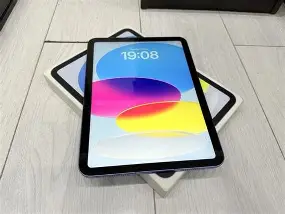
The Ipad 11 2025 continues Apple's approach of marrying premium hardware with a closed, optimized software stack. The result is a device that feels cohesive: apps are fine-tuned for gesture-driven workflows, accessories are tightly integrated, and system-level features like windowing and split-screen are polished and predictable.
Display quality is a standout. For photographers, illustrators, and video editors, color accuracy and consistent brightness across the panel matter; the iPad family traditionally delivers here, and the Ipad 11 maintains that trend. The stylus experience—when paired with the compatible Apple Pencil generation—remains low-latency and natural, which makes the device compelling for sketching and note-taking.
On the productivity front, the Ipad 11 benefits from strong support from major software vendors. Creative apps, office suites, and industry-specific tools often appear on iPadOS first or with better optimization compared with their Android counterparts. Hardware performance is usually sufficient to handle demanding tasks, and thermal management is tuned so the tablet remains comfortable to hold during extended sessions.
Pros
- Strong app ecosystem with high-quality, optimized tablet apps
- Excellent color-accurate display suitable for creative work
- Reliable software updates and long-term support
- First-party accessories with consistent fit and performance
- Polished gestures and multitasking that feel intuitive
Cons
- Closed ecosystem limits customization and certain file workflows
- Premium price, especially after adding keyboard and stylus
- Fewer hardware configuration options compared to competitors
- Limited choice of ports—may require adapters for some workflows
Detailed Review: Galaxy Xr
The Galaxy Xr positions itself as a flexible, performance-oriented tablet for users who prefer Android's openness and customization. Samsung's tablet strategy typically focuses on providing strong multitasking features, robust hardware choices, and an accessory ecosystem that often includes optional keyboard covers and stylus compatibility as standard on some models.

For users who multitask heavily—switching between multiple apps, dragging and dropping files, and running split-screen sessions—the Galaxy Xr emphasizes productivity with features that mimic a laptop-like workflow. The display technologies employed often deliver deep contrast and excellent outdoor visibility, useful for field work and travel. Samsung's DeX-like interface or multi-window improvements extend the sense of desktop utility.
Looking for the best Laptops & Computers deals on Amazon?
Shop Amazon →The Galaxy Xr also tends to offer more storage and memory configurations, which can be important for power users who retain large media libraries or run memory-intensive apps. The openness of the Android platform makes file management and inter-app workflows more straightforward for those who need to move assets between apps or external drives.
Pros
- Flexible multitasking and Android customization
- Wide range of hardware configurations (RAM/storage)
- Good display brightness for outdoor use and media consumption
- Typically includes stylus support on select SKUs
- More port options and expandable storage on some models
Cons
- App ecosystem still catching up to tablet-optimized iPad apps
- Software update cadence can vary by model and carrier
- Accessory quality varies across third-party options
- Complexity of Android customization may overwhelm some users
Head-to-Head: Practical Considerations for Buyers
Display and Media
Both devices aim for strong visual performance, but they cater to slightly different audiences. The Ipad 11 prioritizes color accuracy and consistency—traits that creatives value for editing photos or grading video. The Galaxy Xr emphasizes high contrast and brightness, which benefits media consumption in bright environments. Buyers who treat their tablet as a portable studio tool will likely prefer the iPad’s calibrated approach; those who prioritize outdoor visibility and immersive video playback may lean toward the Galaxy Xr.
Performance and Multitasking
Performance in everyday tasks—browsing, streaming, and document editing—is excellent on both. Where they diverge is multitasking philosophy. The Ipad 11 offers polished split-view and stage manager-style features; the experience is reliable and predictable. The Galaxy Xr provides more flexible window management and potentially more RAM headroom, which helps in workflows that require running many apps simultaneously or managing large datasets. Professionals who run heavy workloads or multiple simultaneous sessions may appreciate the Galaxy Xr’s architectural choices, while those who value consistent app behavior may favor the iPad.
Software and Ecosystem
App availability and optimization remain decisive. iPadOS has a mature catalog of tablet-first applications across productivity, creative, and educational categories. Android tablets have improved, but some professional-grade apps either arrive later or have fewer features. Integration with existing devices matters: users already invested in Apple services (Macs, iPhones, iCloud) will find continuity features compelling. Conversely, Android users who rely on Google services or need specific Samsung integrations will get more seamless experiences with the Galaxy Xr.
Battery Life and Charging
Both tablets are designed to last a full workday under mixed use. Real-world runtime varies with screen brightness, background tasks, and whether LTE/5G is active. Charging technologies differ: rapid wired charging on the Galaxy Xr can reduce downtime, while the Ipad 11 often focuses on battery longevity and efficiency under heavy creative workloads. For commuters and travelers, charging speed and battery management strategies are practical considerations.
Accessories and Portability
First-party accessory ecosystems matter when a tablet is intended as a laptop replacement. The Ipad 11 benefits from tightly integrated keyboard and trackpad accessories that deliver predictable typing and gestures. The Galaxy Xr can work with a variety of third-party keyboards and styluses, offering more choices but less uniformity in experience. Portability—weight, thickness, and hinge options—will influence students and mobile professionals; both devices strike a balance between thinness and durability, though carrying preferences may sway decisions.
Price and Value
Price ranges and real-world value depend on selected configurations and regional availability. The Ipad 11 often carries a higher base price but delivers consistent performance and long-term software support. The Galaxy Xr may offer more competitive configurations for the same price, giving buyers additional RAM or storage. Value-conscious buyers should compare total cost including essential accessories, as the out-the-door cost to replicate a laptop-like experience can increase substantially.
Find top-rated Laptops & Computers products at great prices.
View Offers →Buying Guide: How to Choose Between the Two
Choosing the right tablet is less about raw specs and more about intended use. The following guide helps align a buyer's needs with the strengths of each device.
Who should choose the Ipad 11 (2025)?
- Creative professionals who rely on color-accurate displays and stylus precision for drawing, design, or photo editing.
- Students and educators who benefit from an extensive selection of tablet-optimized apps and seamless note-taking workflows.
- Users embedded in the Apple ecosystem who want continuity features and consistent long-term updates.
- Buyers who prioritize accessory integration (keyboard, trackpad, stylus) and predictable performance over configurability.
Who should choose the Galaxy Xr?
- Power users who multitask intensively and need more RAM and storage options.
- Android-first users who want deep customization and flexible file management.
- Buyers who prioritize outdoor visibility and rapid charging capabilities for travel or fieldwork.
- Those who value expandability (e.g., microSD on some models) and a wider range of accessory choices.
Key questions to ask before buying
- What are the top three tasks the tablet must handle daily (e.g., content creation, video conferencing, reading)?
- Is the buyer reliant on any platform-specific apps or services that would limit cross-platform compatibility?
- What accessories are essential from day one (keyboard, stylus, protective keyboard case), and what do they add to the total cost?
- How important are software updates and long-term security patches?
- Will the tablet replace a laptop, or is it intended as a companion device to a phone or desktop?
Accessories and setup recommendations
- Invest in a protective case with a secure keyboard attachment if the device will be used for heavy typing.
- For creators, choose a stylus with low latency and pressure sensitivity; test palm rejection before committing.
- Consider a USB-C hub or adapter for external drives and HDMI output if presentations or large file transfers are frequent.
- Compare bundled warranty and service options, especially if the device will be used in demanding or mobile environments.
Real-World Use Cases
Students and Education
Students who primarily take notes, research, and submit assignments may prefer the Ipad 11 for its note-taking apps and lightweight, consistent performance. The Galaxy Xr, however, offers flexibility for students who require expandable storage or need to run multiple research and productivity apps simultaneously.
Content Creation and Design
For illustrators and video editors, the Ipad 11’s display accuracy and stylus responsiveness are significant advantages. The Galaxy Xr is a capable alternative for creators who prioritize multitasking, file management, and a desktop-like experience on the go.
Business and Productivity
Sales professionals and remote workers valuing video calls, document editing, and email will find both tablets suitable. The choice often depends on whether the business environment is Apple- or Android-centric and whether the user needs the predictability of a single-vendor stack versus the flexibility of Android.
Conclusion
Both the Ipad 11 2025 and the Galaxy Xr are strong contenders for buyers seeking a laptop-like tablet in 2026. The Ipad 11 excels at polished software experiences, a curated app ecosystem, and accessory integration that benefits creatives and students. The Galaxy Xr shines where flexibility, multitasking, and hardware configurability matter, appealing to power users and those who value Android’s openness.
Ultimately, the decision hinges on ecosystem fit and the specific day-to-day tasks the device must handle. If app quality, long-term updates, and a streamlined creative workflow are the priorities, the Ipad 11 is a compelling choice. If configurability, multitasking headroom, and adaptability are more important, the Galaxy Xr provides an attractive alternative. Both devices deliver a premium tablet experience—buyers should prioritize the workflows and accessories that align with their intended use rather than chasing headline specs alone.