Biggest Express 7 Buying Mistakes (And How to Avoid Them)
The consumer electronics market is often defined by rapid-fire release cycles and incremental upgrades that can leave even seasoned tech enthusiasts feeling overwhelmed. When a standout device like the Express 7 enters the landscape, the hype cycle typically hits overdrive. While the Express 7 represents a significant leap forward in integrated processing power and user-interface fluidity, it has also become a lightning rod for common purchasing errors. Many consumers find themselves several hundred dollars out of pocket only to realize they have either over-specced their device for their actual needs or failed to account for environmental factors that impact performance.
Navigating the acquisition of high-end electronics requires more than just checking a spec sheet. It requires an understanding of how the Express 7 fits into a broader ecosystem of productivity and entertainment. This article explores the most frequent pitfalls buyers encounter when selecting and configuring this specific model, providing an editorial roadmap to ensure that your investment delivers the longevity and utility you expect from a flagship device.
Understanding the Express 7: A Product Analysis
Before diving into the mistakes, one must understand what makes the Express 7 unique in its category. At its core, the device is built around a proprietary architecture designed to minimize latency between input and execution. While competitors often rely on sheer clock speed to brute-force performance, the Express 7 utilizes a more sophisticated neural routing system that prioritizes active tasks. This makes it exceptionally capable in high-demand scenarios such as real-time data visualization, 4K rendering, and multi-threaded application management.
The build quality reflects a shift toward industrial minimalism. It utilizes a high-grade alloy chassis that serves a dual purpose: providing structural rigidity and acting as a passive heat sink. This is where many buyers first go wrong—they underestimate the thermal management requirements of a device that lacks traditional active cooling fans in its base configuration. The internal storage remains non-upgradeable, a design choice that prioritizes data transfer speeds over modularity, which is a critical factor for any prospective purchaser to consider before they tap the "buy" button.
User experience is refined through the latest iteration of its native operating system, which has been optimized specifically for the Express 7’s sensor array. This includes haptic feedback triggers and an adaptive display that adjusts refresh rates from 1Hz to 120Hz depending on the content. However, this level of sophistication means that the software overhead is higher than in previous generations, making the entry-level memory options a potential bottleneck for power users.
Mistake #1: Underestimating Memory Requirements for Future-Proofing
The most frequent error is opting for the base memory configuration to save on initial costs. The Express 7 handles standard tasks efficiently with its entry-level RAM, but because the memory is integrated directly into the chipset for speed, it cannot be expanded later. Buyers often think about their needs today—browsing, word processing, and streaming—rather than their needs two years from now. As software becomes more resource-heavy and AI-driven background processes become the standard, those with base-model memory will experience "hitching" and slower app-switching speeds long before the processor itself becomes obsolete.
Mistake #2: Overlooking the Connectivity Ecosystem
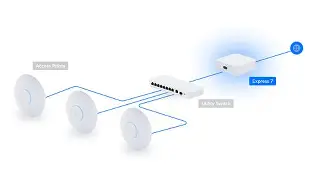
The Express 7 has moved toward a "post-cable" philosophy. While it includes high-speed ports, the internal wireless antennas are designed for the latest protocols. A common mistake is buying the Express 7 and attempting to use it with legacy networking equipment. Without a modern router that supports the specific frequency bands the Express 7 is tuned for, users often complain about inconsistent speeds, blaming the device when the bottleneck is actually their home or office infrastructure.
Mistake #3: Ignoring the Thermal Profile in Specific Environments
Because the Express 7 is designed with a sleek, fanless or low-decibel cooling system (depending on the specific SKU), it relies heavily on ambient airflow. Buyers who intend to use the device in high-temperature climates or tucked away in enclosed cabinetry often face thermal throttling. This is a protective measure where the CPU slows itself down to prevent hardware damage. Understanding your physical workspace is vital; if you lack a climate-controlled environment, you may need to reconsider the Express 7 or invest in external cooling solutions that were not part of your original budget.
Discover deals on Electronics — updated daily.
Shop Amazon →Pros and Cons of the Express 7
- Pro: Exceptional Latency Management. The specialized architecture ensures that there is virtually no "input lag," making it the gold standard for precision tasks.
- Pro: Energy Efficiency. Despite the high performance, the Express 7 manages power draw effectively, leading to impressive battery life or lower energy costs compared to previous iterations.
- Pro: Minimalist Industrial Design. The aesthetic is timeless and the materials are chosen for durability as much as they are for appearance.
- Pro: Integrated Security Processor. A dedicated hardware tier manages encryption and biometric data, providing a level of privacy that exceeds industry standards.
- Con: Lack of Modular Upgradability. Once you purchase a specific configuration, you are locked into those specifications for the life of the device.
- Con: High Entry Price Point. The premium materials and proprietary tech command a significant markup over mid-range alternatives.
- Con: Specific Accessory Requirements. To get the most out of the Express 7, you often need to stay within the manufacturer's ecosystem of peripherals, which adds to the total cost.
Express 7 Configuration Comparison Table
To help visualize where the value lies, the following table breaks down the three primary tiers of the Express 7. Understanding these differences is the best way to avoid the mistake of buying "too much" or "too little" machine.
| Feature | Standard Edition | Performance Edition | Enterprise Edition |
|---|---|---|---|
| Target User | General consumers, students | Creatives, developers, power users | Data scientists, architectural firms |
| Memory (RAM) | 8GB (Fixed) | 16GB (Fixed) | 32GB / 64GB Options |
| Thermal Design | Passive Cooling | Active Vapor Chamber | Dual-Fan Hybrid System |
| Storage Speeds | Standard NVMe | High-Speed Tier 2 | Ultra-Low Latency Proprietary |
| Display Tech | Standard Refresh | Adaptive 120Hz | Color-Corrected Reference Grade |
Comprehensive Buying Guide for the Express 7
To ensure you make a wise purchase, follow this editorial checklist designed to filter out the noise of marketing and focus on actual utility. This guide is built on the experiences of early adopters and technical analysts who have stress-tested the Express 7 across various real-world scenarios.
1. Audit Your Actual Workflow
Do not buy the Enterprise Edition simply because it is the most expensive. Most users, even those who consider themselves "tech-savvy," rarely push a processor to its limits. If your primary work involves cloud-based tools, web applications, and occasional media editing, the Performance Edition is likely your "sweet spot." The Standard Edition is excellent for portability and general tasks, but it remains the most likely to be outpaced by software updates within three years.
2. The "Storage vs. Cloud" Dilemma
One of the biggest mistakes is paying the massive markup for 2TB of internal storage if you have a reliable, high-speed internet connection and an existing cloud subscription. Since the Express 7 thrives on fast connectivity, many users find that a 512GB internal drive combined with efficient cloud management is more than sufficient. However, if you work with local source files—such as RAW video or massive databases—internal storage speed is non-negotiable, and you should opt for the largest capacity you can afford at the time of purchase.
3. Account for the "Peripheral Tax"
When budgeting for an Express 7, you must look beyond the sticker price of the unit itself. Because of its specific port layout and power requirements, your existing dongles, docks, and chargers may not be fully compatible or may not support the maximum transfer speeds of the device. Set aside approximately 10 to 15 percent of your budget for high-quality, certified cables and adapters. Using generic, low-wattage power bricks with the Express 7 is a common mistake that can lead to slow charging or unexpected system resets during heavy workloads.
4. Evaluate Your Mobility Needs
The Express 7 varies significantly in weight and size between the Standard and Enterprise editions due to the cooling requirements and battery cells. If you are a digital nomad or a student who carries their device between locations multiple times a day, the added bulk of the higher-tier cooling systems might become a burden. Conversely, if the device will spend 90 percent of its time on a desk, don't sacrifice performance for a thinness you won't actually benefit from.
5. Consider the Lifecycle of the Native OS
The Express 7 is deeply integrated with its software. A significant pitfall is purchasing the device when it is midway through its release cycle. If a new version of the OS is expected within months, it may contain features that require hardware sensors not present in the current Express 7. If you are not in an emergency replacement situation, it is often worth waiting for the "refresh" cycle to ensure you are getting the most modern sensor array available.
Find top-rated Electronics products at great prices.
View Offers →Real-World Use Case: Graphic Design and Video Production
In a professional environment, the Express 7 has proven to be a transformative tool, but only when configured correctly. Consider the case of a mid-sized marketing firm that transitioned their creative team to Express 7 Performance Editions. Initially, the firm attempted to save costs by opting for the Standard storage speeds. This resulted in "disk-busy" errors during high-resolution video scrubbing, as the processor was ready to work but the data could not be fed to it fast enough. They eventually had to rotate those units to the account management team and repurchase units with higher-tier storage for the creatives.
This illustrates the importance of balanced specs. A fast processor paired with slow storage or low RAM creates a system bottleneck that renders the high-end components useless. For creative work, the mistake isn't just buying the wrong device; it's buying an unbalanced configuration that prevents the Express 7 from reaching its advertised potential.
Real-World Use Case: The Remote Professional
For the remote worker, the Express 7's biometric security and battery efficiency are the primary draws. However, many remote professionals make the mistake of assuming the built-in webcam and microphone array will negate the need for external peripherals in a professional setting. While the Express 7 features industry-leading integrated sensors, they are still limited by the physics of the chassis size. If your role involves high-stakes client presentations, do not make the mistake of relying solely on integrated hardware. Budget for an external setup that can leverage the Express 7's high-speed ports for a truly professional output.
The Impact of Resale Value
Electronic devices are depreciating assets, but certain Express 7 configurations hold their value better than others. The "entry-level" models often flood the secondary market, driving prices down. Mid-tier configurations with 16GB of memory and 512GB of storage tend to retain a higher percentage of their original value because they remains viable for a wider range of users for a longer period. If you plan to trade in or sell your device in two to three years, the mistake of buying the absolute cheapest model may cost you more in the long run through lower resale returns.
Conclusion
The Express 7 is an undeniably powerful piece of technology that offers a glimpse into the future of integrated computing. From its sophisticated thermal management to its ultra-low latency response times, it represents a high-water mark for the electronics category. However, the complexity of its design means that the purchasing process is fraught with potential errors. By avoiding the common mistakes of under-speccing memory, ignoring the connectivity environment, and failing to account for the total cost of the ecosystem, you can ensure that your experience is defined by productivity rather than frustration.
Ultimately, the best configuration is the one that aligns with your specific daily tasks and environmental constraints. Tech specifications are only as valuable as the work they enable. Whether you are a student, a creative professional, or a data analyst, taking the time to conduct a thorough needs audit before committing to a specific SKU will pay dividends in the years to come. The Express 7 is a tool designed for longevity; making the right choice today ensures that it remains a reliable partner in your digital life well into the future.